Why Hard Water Can Ruin Your Ceramic Coating in Richmond (And How to Fix It) in Ceramic Coating Richmond, VA
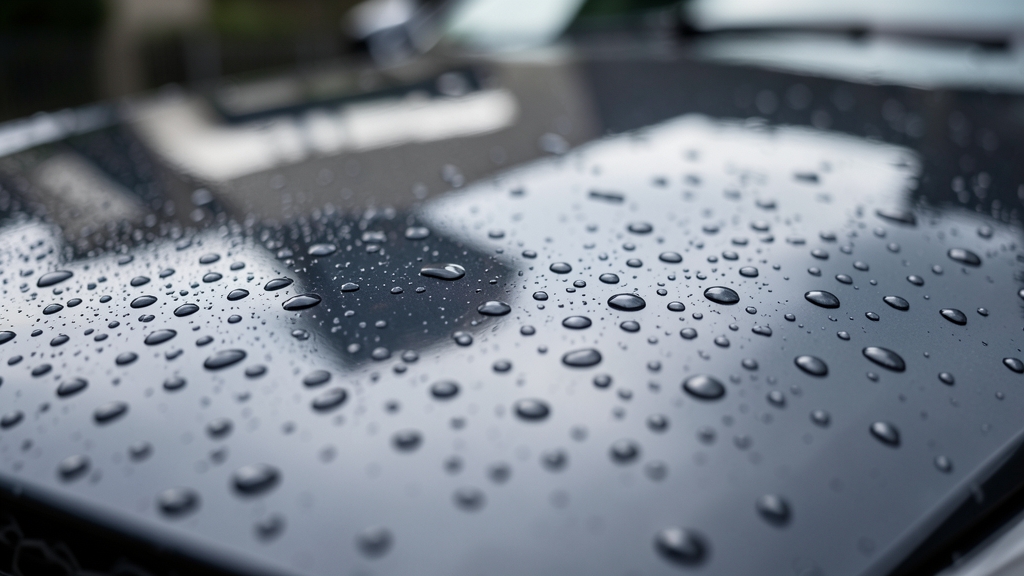
Richmond’s hard water isn’t just tough on your skin—it’s a silent enemy to your vehicle’s ceramic coating. Mineral-laden droplets dry into stubborn spots that, if left untreated, can etch through the protective layer and dull your paint. We’ll show you how to prevent, remove, and repair the damage before it’s too late.
How Hard Water Damages Ceramic Coatings
Hard water contains high levels of calcium, magnesium, and other minerals. When it evaporates on your vehicle’s surface, it leaves behind white, chalky deposits that bond to the ceramic layer.
Over time, these deposits can etch into the coating, creating microscopic pits. In Richmond’s humid summers, the problem accelerates—water spots form faster and adhere more stubbornly.
Signs Your Ceramic Coating Is Under Attack
Visible white or brownish spots on the paint are the first red flag. These often appear after washing your car with tap water or parking under sprinklers.
A rough texture when running your fingers over the surface indicates mineral buildup. If the coating’s hydrophobic effect weakens, water no longer beads as it should.
If you see etching—dull, hazy patches where light scatters unevenly—the damage has already breached the top layer. Prompt attention is advised.
Richmond’s Water: A Unique Challenge
Our region’s water supply is notoriously hard, with mineral content often exceeding 150 ppm. This means even a quick rinse can introduce contaminants.
Neighborhoods like Glen Allen and Mechanicsville report higher mineral levels due to local aquifers. If you’re in Henrico or Chesterfield, well water can be even harsher on coatings.
Prevention: The Best Defense Against Hard Water
Always use pH-neutral car soap and a two-bucket wash method. This minimizes mineral redeposition during cleaning.
Rinse with deionized or distilled water after washing. For ultimate protection, consider a water softener for your hose or a spot-free rinse system at local car washes.
Hard Water Prevention Checklist
- Use pH-neutral soap for every wash
- Rinse with deionized or distilled water
- Dry your vehicle immediately with a microfiber towel
- Apply a ceramic boost spray every 3-6 months
- Park under cover to avoid sprinkler overspray
Removing Existing Hard Water Spots
For fresh deposits, a 50/50 mix of white vinegar and distilled water can dissolve minerals. Apply with a microfiber cloth, then rinse thoroughly.
Stubborn spots may require a dedicated water spot remover. Avoid abrasive compounds—they can scratch the coating. For severe etching, professional paint correction may be needed before reapplying ceramic protection.
Always test any cleaner on an inconspicuous area. Some ceramic coatings, especially newer graphene-infused formulas, can react to acidic solutions.
When to Call in the Pros for Ceramic Coating Repair
If etching has compromised the coating’s integrity, DIY fixes won’t restore its full protective and aesthetic properties. Our team uses machine polishing to remove damaged layers without harming the underlying paint.
After correction, we reapply a fresh ceramic coating or, in extreme cases, recommend Paint Protection Film for areas prone to water exposure, like hoods and roofs.
Ceramic Coating vs. Other Protection Methods Against Hard Water
While wax and sealants offer temporary protection, they lack the durability to resist hard water long-term. Ceramic coatings, with their strong chemical bonds, provide superior resistance but aren’t invincible.
Paint Protection Film (PPF) is the most robust defense against etching, as it physically blocks minerals from reaching the paint. However, it’s not hydrophobic like ceramic coatings, so combining both offers the best of both worlds.
| Method | Hard Water Resistance | Durability | Hydrophobic? |
|---|---|---|---|
| Ceramic Coating | High | 2-5 years | Yes |
| Paint Protection Film (PPF) | Very High | 5-10 years | No |
| Wax/Sealant | Low | 1-6 months | Yes |
| Ceramic + PPF Combo | Very High | 5-10 years (PPF) + 2-5 years (coating) | Yes |
Long-Term Care for Your Ceramic Coating in Richmond
Regular maintenance is key. Wash your vehicle every two weeks using the right products, and avoid automatic car washes with harsh brushes or recycled water.
For vehicles in Midlothian or Chesterfield, where dust and pollen are prevalent, more frequent cleaning prevents contaminants from bonding with hard water residues. Consider adding ceramic window tint to reduce water spot visibility on glass.
How to Safely Remove Hard Water Spots from Ceramic Coating
Follow these steps to restore your coating without causing further damage.
- 1Gather Supplies
You’ll need distilled water, white vinegar, microfiber towels, a spray bottle, and a pH-neutral car soap.
- 2Pre-Wash
Rinse the vehicle with distilled water to remove loose contaminants. Avoid tap water at this stage.
- 3Apply Vinegar Solution
Mix equal parts white vinegar and distilled water in a spray bottle. Lightly mist affected areas and let sit for 30-60 seconds.
- 4Gently Agitate
Use a clean microfiber cloth to wipe the spots in straight lines, not circles, to avoid swirl marks.
- 5Rinse and Inspect
Rinse thoroughly with distilled water and dry with a fresh microfiber towel. Check for remaining spots or etching.
- 6Reapply Protection
If the coating’s hydrophobic effect is diminished, apply a ceramic boost spray to restore its properties.
Frequently Asked Questions
Can hard water completely ruin my ceramic coating in Richmond?
While hard water won’t destroy the coating overnight, prolonged exposure to mineral deposits can etch through the top layer, reducing its effectiveness. The sooner you address it, the better. In severe cases, professional correction and reapplication may be necessary.
Is it safe to use a pressure washer on a ceramic-coated car?
Yes, but with caution. Use a pressure washer on a low setting (under 1,500 PSI) and maintain a safe distance (18-24 inches). Always use deionized water and avoid direct blasts on edges or seams where the coating may be thinner.
How often should I wash my car to prevent hard water damage?
In Richmond’s climate, washing every two weeks is ideal. If you park outside or in areas with heavy sprinkler use, like Glen Allen, consider weekly rinses with distilled water to prevent buildup.
What’s the difference between water spots and etching?
Water spots are surface-level mineral deposits that can often be removed with cleaning. Etching occurs when minerals eat into the coating or paint, creating permanent dull patches. Etching requires professional correction.
Can I apply a ceramic coating over hard water spots?
No. The coating will not bond properly to a surface with mineral deposits or etching. Always remove all contaminants and correct any damage before applying or reapplying a ceramic coating.
Do ceramic coatings work on wheels and brake calipers?
Absolutely. Wheels and brake calipers are especially vulnerable to hard water and brake dust. We offer specialized ceramic coatings for these areas to make cleaning easier and protect against corrosion. This is a popular add-on for clients in Henrico and Chesterfield.