Why Humidity Can Sabotage Your Ceramic Coating Application in Richmond in Ceramic Coating Richmond, VA
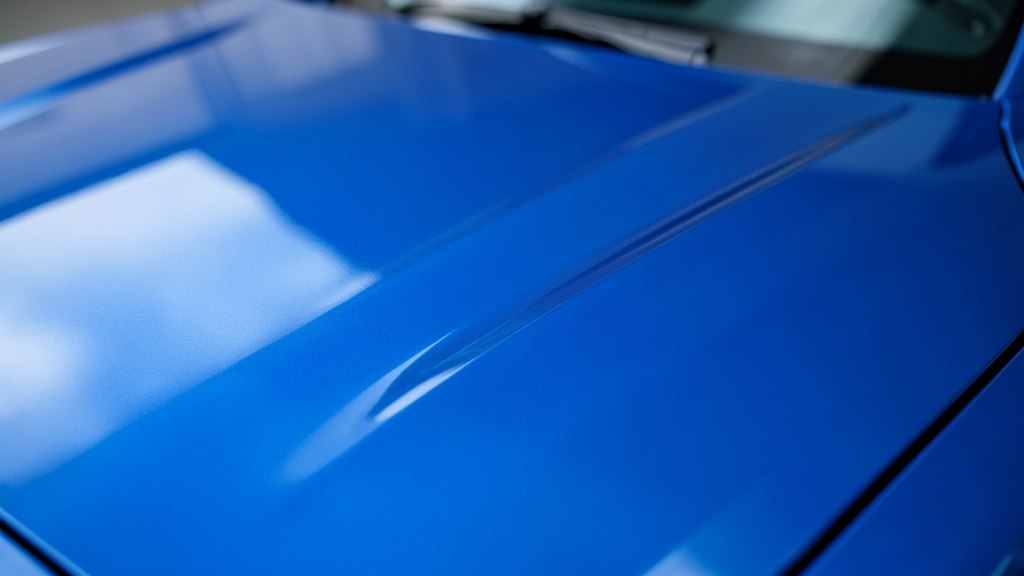
Richmond’s humid summers and damp springs aren’t just uncomfortable—they can wreck a ceramic coating if not managed properly. We’ve seen firsthand how moisture in the air sabotages adhesion, streaks finishes, and cuts durability in half. Here’s how we combat it for every vehicle from Glen Allen to Mechanicsville.
How Humidity Disrupts Ceramic Coating Bonding
Ceramic coatings rely on a chemical bond with your clear coat. High humidity introduces microscopic water vapor that interferes with this bond, leading to poor adhesion and premature failure.
In Richmond, morning dew or evening mist can settle on panels mid-application. Even a thin film of moisture prevents the nano-ceramic polymers from fusing properly with the paint.
The Curing Process: Richmond’s Biggest Challenge
Most ceramic coatings need 24–48 hours to cure fully. Humidity slows this process, extending the window where contaminants or water spots can mar the finish.
Worse, trapped moisture beneath the coating can cause hazing or clouding—especially on darker vehicles. We monitor ambient conditions closely in Henrico and Chesterfield to avoid this.
Applying ceramic coating in 60%+ humidity without climate control often leads to streaks, uneven layers, or complete rejection. Always check the forecast.
Ideal Conditions for Ceramic Coating in Richmond
We aim for 40–60% humidity and temperatures between 60–80°F. Early fall and spring mornings in Midlothian or Glen Allen often hit this sweet spot.
Indoor, temperature-controlled bays let us work year-round. This ensures consistent adhesion and curing, even when Richmond’s weather turns unpredictable.
Prep Work: The Hidden Humidity Battle
Paint correction and polishing must be done in low-humidity conditions. Any residual moisture in the paint can react with compounds, leaving swirls or holograms.
We use industrial dehumidifiers and air movers during prep for vehicles from Mechanicsville to Chesterfield, ensuring a bone-dry surface before the first coat goes on.
Humidity vs. Coating Longevity: What to Expect
A coating applied in high humidity may last 1–2 years instead of 5+. The bond weakens faster, and the hydrophobic properties degrade sooner under Richmond’s frequent rain.
Properly applied coatings in controlled conditions resist UV fading, bird droppings, and road grime far longer—even in our humid climate.
| Condition | Expected Lifespan | Risk Factors |
|---|---|---|
| Controlled (40–60% humidity) | 4–5+ years | Minimal; optimal bonding |
| Moderate (60–70% humidity) | 2–3 years | Reduced adhesion, potential hazing |
| High (70%+ humidity) | 1–2 years | Poor bonding, streaking, early failure |
Signs Your Coating Was Applied in High Humidity
Water spots that won’t wash off? That’s a classic sign of trapped moisture. You might also see uneven sheen or premature beading failure.
Hazing or a milky appearance often means the coating didn’t cure properly. If you notice these, the coating may need removal and reapplication.
Red Flags of Humidity-Affected Coatings
- Persistent water spots or mineral deposits
- Uneven gloss or patchy hydrophobicity
- Hazing or cloudiness in the finish
- Premature degradation (under 2 years)
How We Beat Richmond’s Humidity for Flawless Results
Our bays are equipped with commercial-grade dehumidifiers and HEPA filtration. This keeps the air dry and contaminant-free during every step, from paint correction to final coating.
We also use infrared lamps to accelerate curing, compensating for humidity’s slowing effect. This is critical for fleet vehicles or commercial clients in areas like Glen Allen.
Schedule your ceramic coating, paint protection film, or wheel coating in late summer or early fall. Richmond’s humidity drops, and temperatures stay stable.
Pairing Ceramic Coating with Other Protections
For maximum defense against Richmond’s elements, we often combine ceramic coatings with paint protection film on high-impact areas. This duo resists rock chips, bug splatter, and UV damage.
Ceramic window tint and interior ceramic protection add value for daily drivers. These services complement the exterior coating, especially in humid climates.
How to Check if Humidity Is Ruining Your Coating Application
Follow these steps to assess your environment before applying or inspecting a ceramic coating.
- 1Monitor Humidity Levels
Use a hygrometer to measure ambient humidity. Anything above 60% is risky for application.
- 2Inspect the Surface
Run a microfiber towel over the paint. If it drags or leaves streaks, moisture or residues are present.
- 3Test a Small Area
Apply a test patch of coating. If it beads unevenly or hazes, humidity is likely the culprit.
- 4Check for Water Spots
After application, spray water on the surface. Spots that linger or leave marks indicate poor bonding.
- 5Verify Curing Conditions
Ensure the vehicle stays in a dry, temperature-controlled space for at least 24 hours post-application.
Frequently Asked Questions
Can you apply ceramic coating in Richmond’s summer humidity?
Yes, but only in a climate-controlled environment. Our team uses dehumidifiers and air filtration to maintain ideal conditions, even in July or August. Outdoor applications in high humidity are strongly discouraged.
How does humidity affect ceramic coating on wheels or brake calipers?
Wheels and calipers are especially vulnerable. Moisture trapped under the coating can cause bubbling or peeling due to heat cycles. We prep these areas meticulously to avoid issues, whether in Mechanicsville or Midlothian.
Will a ceramic coating applied in humidity still protect my car?
It may offer some protection, but the durability and performance will be compromised. Poor adhesion means reduced resistance to scratches, UV rays, and chemicals. For long-term value, proper conditions are non-negotiable.
What’s the difference between humidity’s effect on ceramic coating vs. paint protection film?
Humidity primarily affects the curing process of ceramic coatings. Paint protection film (PPF) is less sensitive to humidity during application but can trap moisture if the surface isn’t perfectly dry. Both require controlled environments for best results.
How do you fix a ceramic coating ruined by humidity?
The coating must be removed—often via clay bar, compound, or in severe cases, wet sanding. Then, the surface is prepped and recoated under proper conditions. This is why we stress prevention from the start.
Does interior ceramic protection face the same humidity issues?
Interior coatings are less affected by external humidity but can still suffer if applied in a damp environment. We ensure interiors are dry and well-ventilated during application for vehicles across Richmond and Chesterfield.