How to Choose the Right Ceramic Coating for Your Vehicle in Ceramic Coating Richmond
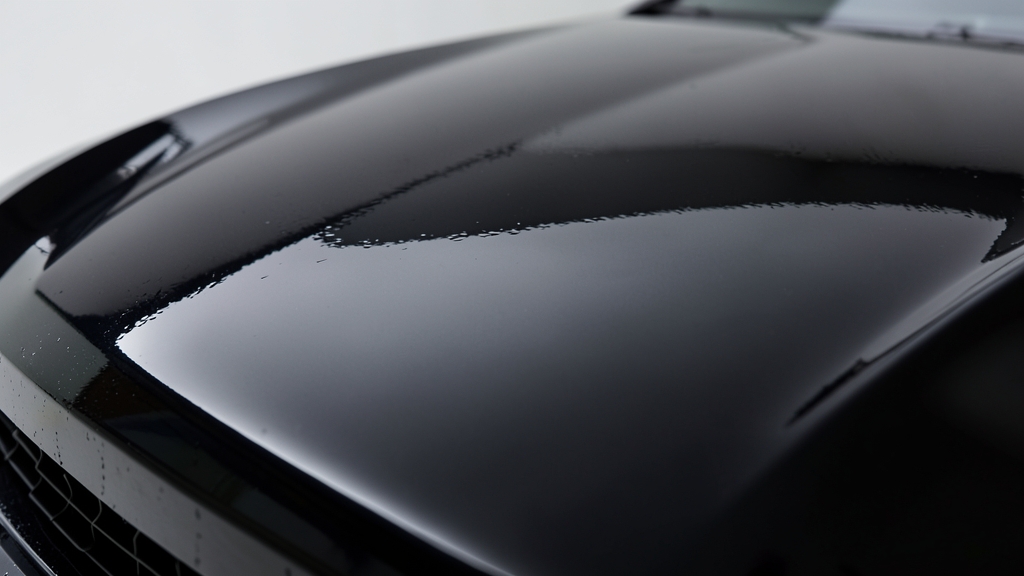
Choosing the right ceramic coating isn’t just about shine—it’s about long-term protection tailored to your vehicle and driving conditions. In Richmond, our humid summers and salty winters demand coatings that can handle the extremes. We’ll break down what matters most so you can drive with confidence.
Why Ceramic Coatings Outperform Traditional Wax or Sealants
Wax and sealants offer temporary protection and a decent glow, but they break down in weeks under Richmond’s UV exposure and frequent rain. Ceramic coatings bond chemically with your paint, creating a semi-permanent shield that lasts years, not months.
Our team sees vehicles in Henrico and Chesterfield where wax fails to prevent water spots or oxidation. A quality ceramic coating repels contaminants, resists UV fading, and maintains hydrophobicity far longer.
Key Factors to Consider Before Applying a Ceramic Coating
First, assess your paint’s condition. If swirl marks or scratches are present, we always recommend paint correction and polishing before coating. Applying a ceramic layer over imperfections locks them in permanently.
Next, think about your driving habits. Daily commuters in Mechanicsville or Glen Allen face more road grime and bug splatter, so a thicker, more durable coating may be worth the investment.
Pre-Coating Checklist
- Inspect paint for swirls, scratches, or oxidation
- Perform paint correction if needed
- Clean and decontaminate the surface thoroughly
- Choose a coating matched to your vehicle’s usage
- Plan for proper curing time (24-48 hours indoors)
Types of Ceramic Coatings: Which One Fits Your Needs?
Not all ceramic coatings are created equal. Entry-level products (often DIY) use lower concentrations of SiO2 and last 1-2 years. Professional-grade coatings, like those we apply in Ceramic Coating Richmond, leverage advanced nano-ceramic polymers for 5+ years of protection.
Some specialty coatings include TiO2 for enhanced UV resistance or graphene for added hardness. For fleet vehicles in Midlothian, we often recommend multi-layer systems for maximum durability.
| Type | Durability | Hydrophobicity | UV Protection | Best For |
|---|---|---|---|---|
| Entry-Level (DIY) | 1-2 years | Moderate | Basic | Budget-conscious owners |
| Professional-Grade (SiO2) | 3-5 years | High | Strong | Daily drivers |
| High-End (TiO2/Graphene) | 5-7+ years | Very High | Excellent | Luxury/performance vehicles |
| Multi-Layer System | 7-10 years | Extreme | Superior | Fleet/commercial vehicles |
How Richmond’s Climate Affects Your Coating Choice
Richmond’s humidity and temperature swings accelerate paint degradation. A coating with strong UV inhibitors is non-negotiable here—otherwise, clear coat peeling becomes a real risk, especially on darker vehicles.
Salt from winter road treatments in areas like Glen Allen can etch unprotected paint. We often pair ceramic coatings with Paint Protection Film (PPF) on high-impact areas for clients who want belt-and-suspenders defense.
If you park outside in Chesterfield or Henrico, opt for a coating with self-cleaning properties. Rainwater will sheet off dirt more effectively, reducing water spot formation.
Ceramic Coating vs. Paint Protection Film (PPF): When to Use Each
Ceramic coatings excel at enhancing gloss and repelling contaminants, but they won’t stop rock chips. PPF, a clear urethane film, absorbs impacts that would otherwise damage your paint.
Many of our clients in Mechanicsville combine both: PPF on the front bumper, hood, and fenders, with a full-vehicle ceramic coating for the rest. This hybrid approach maximizes protection and aesthetics.
What to Expect During Professional Application
A proper ceramic coating application is a multi-day process. We start with a thorough wash and decontamination, followed by paint correction if needed. The coating itself is applied in a controlled environment to avoid dust or moisture interference.
Curing is critical. We advise keeping your vehicle indoors for at least 24 hours post-application. Driving in rain or washing the car too soon can compromise the bond.
Maintaining Your Ceramic Coating for Longevity
Even the best ceramic coating requires maintenance. We recommend a pH-neutral car wash soap and microfiber towels to avoid scratching. Automatic car washes with brushes can degrade the coating over time.
Every 6-12 months, a maintenance spray or booster can refresh the hydrophobic properties. For vehicles in high-exposure areas like Midlothian, more frequent touch-ups may be needed.
Never use wax or silicone-based products on a ceramic-coated vehicle. These can leave residues that dull the finish and reduce the coating’s effectiveness.
Beyond the Paint: Other Areas to Protect
Ceramic coatings aren’t just for paint. We frequently apply them to wheels and brake calipers to resist brake dust and high-temperature discoloration. Interior ceramic protection can shield dashboards and leather from UV damage and stains.
For a complete solution, consider ceramic window tint. It blocks UV rays and heat while maintaining visibility—ideal for Richmond’s sunny summers.
How to Prepare Your Vehicle for a Ceramic Coating
Proper prep is 80% of a successful ceramic coating application.
- 1Deep Clean
Wash your vehicle with a pH-neutral soap and use a clay bar to remove embedded contaminants. This ensures the coating bonds to clean paint, not grime.
- 2Inspect Paint Condition
Check for swirl marks, scratches, or oxidation. If present, paint correction is necessary before coating.
- 3Decontaminate
Use an iron remover spray to dissolve brake dust and industrial fallout. Rinse thoroughly afterward.
- 4Dry and Inspect
Dry the vehicle with a microfiber towel and inspect under bright light. Any missed imperfections will be sealed under the coating.
- 5Mask Sensitive Areas
Cover trim, rubber, and plastic parts with painter’s tape. Ceramic coatings can stain or discolor non-painted surfaces.
- 6Final Wipe-Down
Use an isopropyl alcohol solution to remove any remaining oils or residues. The surface must be 100% clean before application.
Frequently Asked Questions
How long does a professional ceramic coating last in Richmond’s climate?
With proper maintenance, a professional-grade ceramic coating typically lasts 3-5 years in Richmond. High-end formulations can extend that to 7+ years, but exposure to salt, UV, and frequent washing will affect longevity. Request a quote to discuss options tailored to your vehicle.
Can I apply a ceramic coating myself, or should I hire a pro?
DIY ceramic coatings are available, but they lack the durability and performance of professional-grade products. Improper prep or application can lead to streaks, uneven curing, or reduced lifespan. For best results—especially on high-value vehicles—we recommend professional application.
Will a ceramic coating prevent all scratches and chips?
Ceramic coatings add a hard, protective layer (often rated at 9H on the pencil hardness scale), which resists light scratches and swirls. However, they won’t stop rock chips or deep scratches. For that, Paint Protection Film (PPF) is the better choice. Many clients combine both for comprehensive protection.
How much does Ceramic Coating Richmond cost?
The cost depends on several factors: the size of your vehicle, the condition of your paint, the type of coating chosen, and whether you add extras like PPF or interior protection. Larger vehicles or those requiring extensive paint correction will be at the higher end. Request a quote for a precise estimate.
Can ceramic coatings be applied to matte or satin paint?
Yes, but it requires a specialized matte-finish ceramic coating. Standard coatings will add gloss, which ruins the matte aesthetic. We stock matte-specific products for vehicles in Ceramic Coating Richmond and can advise on the best approach for your finish.
Do ceramic coatings work on older vehicles with faded paint?
Ceramic coatings can restore some depth and gloss to faded paint, but they won’t fix underlying damage like clear coat failure or deep oxidation. In these cases, we often recommend paint correction or a fresh clear coat before applying the ceramic layer.