Why Pros Insist on Multi-Stage Polishing Before Ceramic Coating in Richmond in Ceramic Coating Richmond, VA
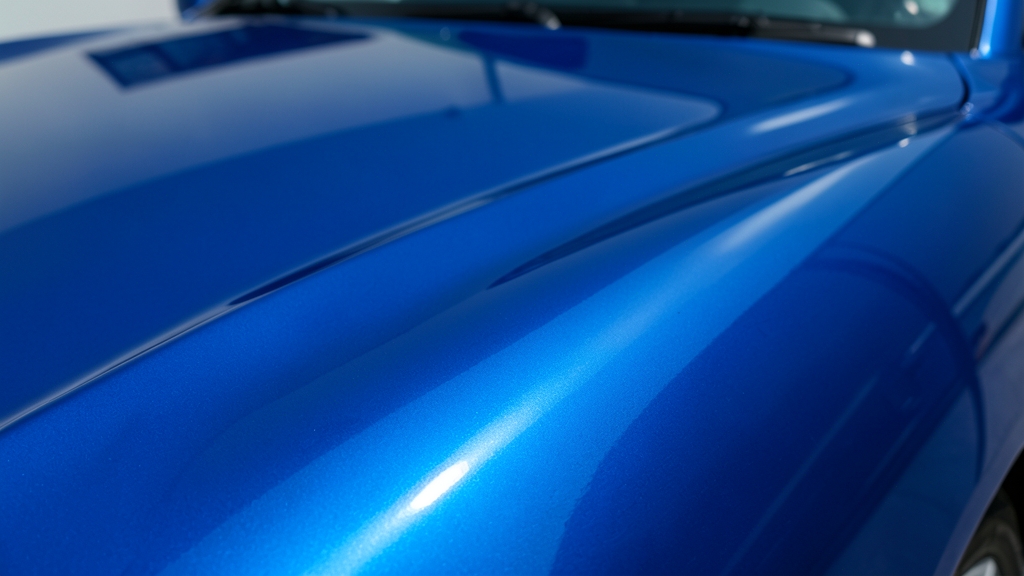
A ceramic coating only looks as good as the paint beneath it. In Richmond’s climate, swirls, oxidation, and water spots turn glossy finishes dull fast—unless you start with multi-stage polishing. We’ll show you why pros never skip this step before applying ceramic protection.
The Hidden Flaws Ceramic Coatings Can’t Fix
Ceramic coatings lock in the current state of your paint. If swirl marks, holograms, or oxidation exist, they’ll be sealed in permanently. That’s why paint correction is non-negotiable before protection.
Richmond’s humidity and pollen accelerate paint degradation. Even new cars often arrive with dealer-induced swirls or rail dust embedded in the clear coat.
What Multi-Stage Polishing Actually Does
Stage one uses a heavy-cut compound to remove deep scratches, oxidation, and water spots. This leveling step restores clarity but leaves micro-marring.
Stage two refines the surface with a finer polish, eliminating compound haze. The final stage—jewel polish—creates a mirror finish ready for ceramic bonding.
Each stage uses progressively finer abrasives. Skipping one risks leaving behind defects that the coating will magnify under sunlight.
| Stage | Purpose | Tools & Compounds |
|---|---|---|
| Compounding | Remove deep scratches, oxidation, water spots | Rotary or DA polisher + heavy-cut compound |
| Refining | Eliminate compound haze and light defects | DA polisher + medium-cut polish |
| Finishing | Create mirror gloss for optimal coating adhesion | DA polisher + fine jewelry polish |
Richmond’s Climate Demands Extra Attention
Our area’s high humidity and seasonal pollen mean paint takes a beating year-round. Water spots etch into clear coat, while UV exposure fades and oxidizes surfaces faster.
Multi-stage polishing removes these contaminants before they’re trapped under the coating. Without it, your ceramic layer won’t adhere properly or last as long.
Applying ceramic coating over embedded pollutants or swirls can reduce longevity. Always correct first.
Paint Thickness: The Non-Negotiable Check
We always measure paint thickness with a gauge before polishing. Richmond’s older vehicles or repainted panels may have thin clear coat that can’t handle aggressive compounding.
If readings are low, we adjust our approach to avoid burning through the clear. This step prevents costly repaints and ensures safe correction.
Tools of the Trade: What Pros Use
Dual-action (DA) polishers are safer for most jobs, while rotary polishers tackle severe defects. We use both, depending on the paint’s condition and the vehicle’s curves.
High-quality microfiber pads and premium compounds make the difference between a good and great finish. Cheap tools leave behind filler oils that interfere with coating adhesion.
LED lights and paint thickness gauges are essential for spotting defects and ensuring we don’t over-polish. Precision matters at every step.
Direct sunlight hides defects. We always perform paint correction in a well-lit, shaded bay to catch every imperfection before coating.
How Multi-Stage Polishing Extends Coating Life
A perfectly prepped surface allows the ceramic coating to bond at a molecular level. This maximizes hydrophobicity, UV resistance, and durability.
Without proper polishing, coatings fail prematurely. In Richmond, where cars face extreme temperature swings, this prep work ensures your investment lasts 5+ years.
When to Consider Paint Correction Beyond Polishing
Severe scratches or deep etches may require wet-sanding before polishing. This step is rare but critical for showroom-level results.
For vehicles in Henrico, Chesterfield, or Mechanicsville with heavy oxidation, we often combine chemical decontamination with mechanical polishing for a full reset.
Pairing Polishing with Other Protective Services
After polishing, many Richmond drivers opt for Paint Protection Film (PPF) on high-impact areas, then ceramic coating over the entire vehicle. This hybrid approach combines the benefits of both.
Wheel and brake caliper ceramic coatings also benefit from prior polishing, especially for show cars in Glen Allen or Midlothian. The same goes for headlight restoration before sealing.
Post-Polishing Protection Checklist
- Apply ceramic coating within 24 hours of polishing
- Use a paint prep spray to remove polishing oils
- Work in a dust-free environment to avoid contamination
- Allow full cure time before washing or exposing to elements
How to Prep Your Car for Ceramic Coating Like a Pro
Follow these steps to ensure your paint is ready for maximum ceramic coating performance.
- 1Wash and Decontaminate
Start with a thorough two-bucket wash using a pH-neutral shampoo. Use a clay bar to remove embedded contaminants like tar and industrial fallout.
- 2Inspect Under Proper Lighting
Use a high-intensity LED light to identify swirls, scratches, and oxidation. Mark problem areas with painter’s tape for targeted correction.
- 3Measure Paint Thickness
Use a paint thickness gauge to check clear coat depth. Adjust your polishing approach based on readings to avoid over-thinning.
- 4Compound for Defect Removal
Use a heavy-cut compound with a rotary or DA polisher to remove deep defects. Work in small sections, keeping the pad flat against the surface.
- 5Refine and Finish
Follow with a medium-cut polish to remove compound haze, then a fine jewelry polish to achieve a mirror finish. Wipe down with a panel prep spray to remove oils.
- 6Final Inspection
Recheck the surface under multiple light angles. If defects remain, repeat the polishing stages as needed before coating application.
Frequently Asked Questions
How long does multi-stage polishing take before ceramic coating in Richmond?
Depending on the vehicle’s size and paint condition, multi-stage polishing typically takes 6–12 hours. Complex jobs with heavy correction may require a full day. We always prioritize quality over speed to ensure flawless results.
Can I apply ceramic coating without polishing first?
Technically yes, but the results will be subpar. Ceramic coatings amplify the existing paint’s condition—including all its flaws. Skipping polishing means sealing in swirls, scratches, and oxidation, which defeats the purpose of protection and gloss enhancement.
Does multi-stage polishing remove all scratches?
It removes most light to moderate scratches and swirls. Deep scratches that penetrate the clear coat may require wet-sanding or touch-up paint before polishing. We assess each vehicle individually to determine a suitable approach.
How much does multi-stage polishing cost before ceramic coating?
Cost varies based on vehicle size, paint condition, and the level of correction needed. Factors include the number of stages required, the type of compounds and polishes used, and labor time. Request a quote for an accurate estimate tailored to your car.
Is multi-stage polishing safe for all paint types?
Yes, when performed by professionals. We adjust our techniques for soft paints (common on Asian vehicles), hard paints (often found on European cars), and repainted panels. Paint thickness gauges ensure we never compromise the clear coat.
Do you offer mobile multi-stage polishing and ceramic coating for Richmond area vehicles?
We provide mobile services for paint correction and ceramic coating in Henrico, Chesterfield, Mechanicsville, Midlothian, and Glen Allen. However, we recommend in-shop service where we control lighting, dust, and environmental conditions.