How Richmond’s Hard Water Affects Your Ceramic Coating and How to Protect It in Ceramic Coating Richmond, VA
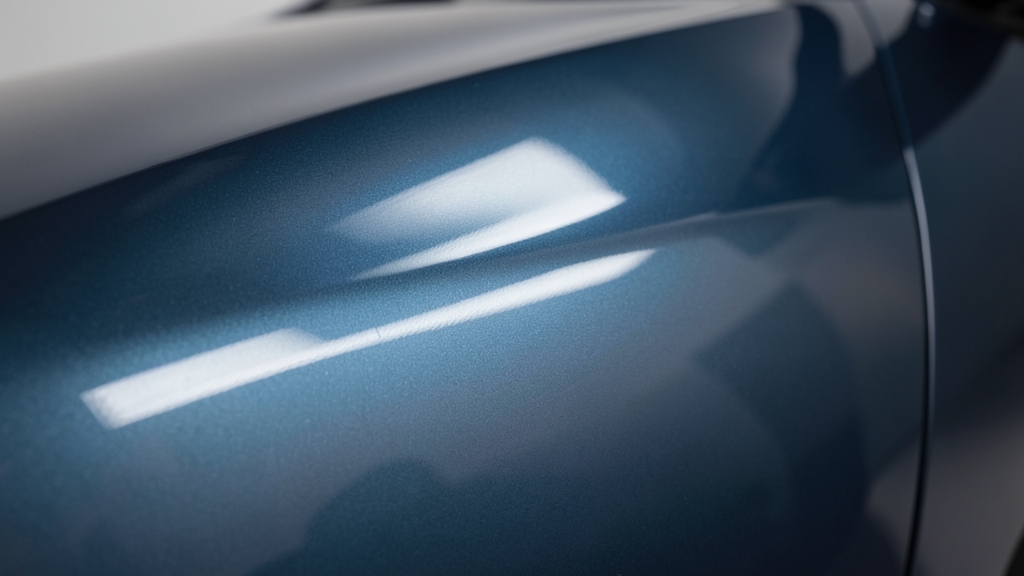
Richmond’s hard water is notorious for leaving behind stubborn mineral deposits that can compromise even the best ceramic coatings. We’ve seen firsthand how calcium and magnesium build-up dulls hydrophobic properties and etches surfaces over time. Proper maintenance is key to preserving your coating’s integrity in our local climate.
Why Richmond’s Hard Water Is a Threat to Ceramic Coatings
Richmond’s water supply is packed with dissolved minerals like calcium and magnesium. When water evaporates on your vehicle’s surface, these minerals crystallize into hard deposits that bond to the ceramic layer.
Over time, these deposits can degrade the coating’s hydrophobic effect, reducing its ability to shed water and contaminants. This accelerates wear and makes your finish more susceptible to staining and etching.
The issue is worse in summer, when rapid evaporation leaves behind concentrated mineral spots. Even a high-quality ceramic coating isn’t immune without proper care.
Signs Your Ceramic Coating Is Suffering from Hard Water Damage
Visible water spots are the first red flag. These aren’t just surface blemishes—they’re mineral deposits that can etch into the coating if left untreated.
A loss of beading is another sign. If water no longer sheets off smoothly, hard water may have compromised the hydrophobic layer. This often starts in areas frequently exposed to sprinklers or rain.
Dullness or hazing on the paint, especially after washing, can also indicate mineral buildup. Unlike swirl marks, these spots feel rough to the touch and resist standard detailing sprays.
Mineral deposits harden within 24–48 hours. The longer they sit, the harder they are to remove without damaging the coating or underlying paint.
Hard Water vs. Soft Water: Impact on Ceramic Coatings
Soft water lacks the minerals that cause spotting, making it ideal for washing coated vehicles. It rinses cleanly, leaving no residue to degrade the hydrophobic surface.
Hard water, common in Richmond and surrounding areas like Henrico and Chesterfield, leaves behind a film that diminishes gloss and can even promote oxidation under the coating over time.
| Factor | Hard Water | Soft Water |
|---|---|---|
| Mineral Residue | Leaves calcium/magnesium deposits | No mineral residue |
| Hydrophobic Longevity | Reduces over time | Preserves coating performance |
| Surface Clarity | Can cause hazing or etching | Maintains high gloss |
| Maintenance Effort | Requires frequent decontamination | Easier to clean and maintain |
How to Wash Your Vehicle Without Damaging the Coating
Always start with a pre-wash rinse to remove loose contaminants. Use a pH-neutral car shampoo—never dish soap or household cleaners, which strip protective layers.
Opt for the two-bucket method: one for soapy water, one for rinsing your mitt. This prevents reapplying dirt and minerals to the surface. Microfiber wash mitts and towels are a must to avoid swirls.
Dry immediately with a clean, high-quality microfiber towel. Letting water air-dry in Richmond’s humidity often leads to mineral spots. For extra protection, follow up with a quick detailer spray to restore hydrophobicity.
Hard Water-Safe Wash Essentials
- Use pH-neutral ceramic-safe shampoo
- Pre-rinse with pressure washer or hose
- Two-bucket wash method
- Microfiber wash mitts and towels
- Immediate drying to prevent spots
- Deionized water for final rinse (if available)
Decontaminating Mineral Deposits Safely
For fresh water spots, a dedicated water spot remover or a 50/50 mix of white vinegar and distilled water can dissolve minerals without harming the coating. Apply with a microfiber towel, then rinse thoroughly.
Stubborn deposits may require a clay bar or synthetic clay mitt. Lubricate the surface with a detail spray and gently glide the clay over the affected area to lift embedded contaminants.
Avoid abrasive compounds or polishes unless you’re experienced—these can thin the ceramic layer. When in doubt, our team can perform a professional decontamination service to restore your coating’s performance.
White vinegar is a mild acid that breaks down calcium and magnesium. Always test on a small area first and rinse immediately to avoid prolonged exposure.
Long-Term Protection: Beyond the Coating
Ceramic coatings provide a strong foundation, but adding a layer of paint protection film (PPF) in high-impact areas can shield against both hard water and physical damage. PPF is self-healing and resistant to mineral etching.
For wheels and brake calipers, which endure extreme heat and brake dust, a dedicated ceramic wheel coating offers extra defense. These areas are prone to hard water buildup from road spray and require specialized care.
Regular maintenance washes every 2–4 weeks are critical in Richmond’s climate. Consider a ceramic boost spray every 3–6 months to replenish hydrophobic properties and extend the life of your coating.
When to Seek Professional Help in Richmond, VA
If water spots have etched into the coating or paint, professional paint correction may be needed. Our team in areas like Mechanicsville and Glen Allen uses machine polishing to safely remove defects without compromising the ceramic layer.
For vehicles with heavy mineral contamination, a full decontamination service followed by a ceramic coating refresh can restore protection. This is especially common for fleet vehicles or daily drivers exposed to Richmond’s tap water.
If you’re unsure about the state of your coating, we offer inspections to assess its condition and recommend the best course of action—whether it’s maintenance, enhancement, or a full reapplication.
How to Remove Hard Water Spots from a Ceramic Coating
Follow these steps to safely eliminate mineral deposits without damaging your coating.
- 1Prep the Surface
Wash the vehicle with a pH-neutral shampoo to remove loose dirt. Dry thoroughly with a microfiber towel.
- 2Apply a Water Spot Remover
Spray a ceramic-safe water spot remover or vinegar solution onto the affected areas. Let it dwell for 30–60 seconds.
- 3Agitate Gently
Use a microfiber towel or a soft detailing brush to lightly agitate the spots. Avoid excessive pressure.
- 4Rinse and Inspect
Rinse the area with clean water and inspect. Repeat if necessary, or escalate to clay decontamination for stubborn spots.
- 5Restore Hydrophobicity
Apply a quick detailer or ceramic boost spray to revive the coating’s water-shedding properties.
Frequently Asked Questions
Can hard water ruin my ceramic coating in Richmond?
Hard water won’t ruin a quality ceramic coating overnight, but prolonged exposure to mineral deposits can degrade its hydrophobic properties and lead to etching. Regular decontamination is essential to maintain performance, especially in our local water conditions.
How often should I wash my car to prevent hard water damage?
We recommend washing your coated vehicle every 2–4 weeks in Richmond’s climate. More frequent washes may be needed if your car is parked under sprinklers or exposed to heavy road spray, as in areas like Midlothian or Glen Allen.
Is a ceramic coating worth it if Richmond’s water is so hard?
Absolutely. Ceramic coatings provide superior protection against UV rays, contaminants, and minor scratches—benefits that outweigh hard water challenges. The key is pairing the coating with proper maintenance, including decontamination and pH-neutral washes.
Can I use a pressure washer to remove hard water spots?
A pressure washer can help rinse away loose minerals, but it won’t remove bonded deposits. Use it for pre-washing, then follow up with a dedicated spot remover or clay bar. Avoid high-pressure settings that could damage the coating or force water into seams.
What’s the best way to dry my car to avoid water spots in Richmond?
Dry your vehicle immediately after washing using a clean, plush microfiber towel. Blot—don’t drag—to lift water without scratching. For best results, use a leaf blower to remove water from crevices before toweling.
Does ceramic window tint help with hard water spots?
Ceramic window tint resists UV rays and heat, but it doesn’t prevent hard water spots on glass. However, a hydrophobic ceramic coating applied to windows can help water sheet off, reducing mineral buildup. We offer this as part of our full-vehicle ceramic coating services.