Toppers vs. Reapplication: What’s Best for Your Ceramic Coating in Richmond, VA
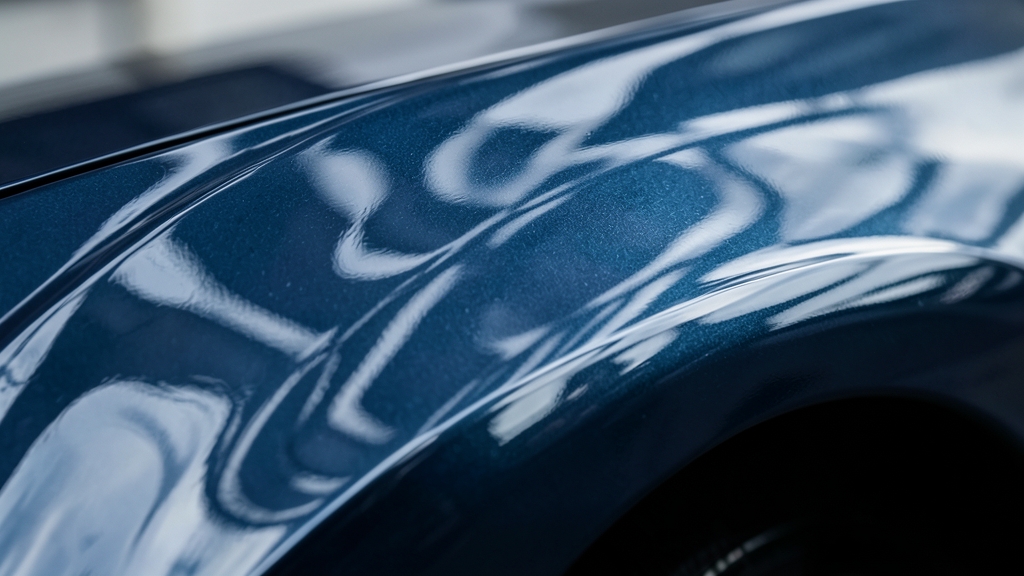
Ceramic coatings don’t last forever—especially in Richmond’s humid summers and salty winters. Whether you refresh with a topper or start over with a full reapplication depends on your coating’s condition, your budget, and how long you plan to keep the car. We break down the pros, cons, and local considerations so you can decide what’s right for your vehicle.
Understanding Ceramic Coating Lifespans in Richmond’s Climate
Richmond’s mix of high humidity, pollen, and winter road salt accelerates wear on ceramic coatings. Most professional-grade coatings last 2–5 years here, but maintenance plays a huge role in longevity.
UV exposure and temperature swings break down the hydrophobic layer faster than in milder climates. That’s why we often see coatings fade or lose beading after just 18–24 months without upkeep.
What Are Ceramic Coating Toppers?
Toppers—also called boosters or refreshers—are lightweight ceramic sprays or liquids applied over an existing coating. They replenish the hydrophobic layer and restore gloss without removing the base coat.
Think of them like a fresh wax layer: they extend life by 6–12 months but won’t fix deep scratches, water spotting, or etched contaminants. They’re ideal for vehicles in Henrico or Chesterfield where pollen and dust are constant.
Use toppers if your coating still beads water but looks dull. They’re a cost-effective way to restore performance between full applications.
When Full Reapplication Is the Only Option
If your coating has failed—water no longer beads, swirls are visible, or contaminants bond instantly—it’s time for a full strip and reapplication. This involves paint correction, decontamination, and a fresh ceramic layer.
Reapplication is labor-intensive but restores 100% of the protection. It’s the go-to for high-end vehicles in Glen Allen or Mechanicsville where owners demand showroom shine year-round.
Improper removal can damage clear coat. Always trust professionals with the right tools and experience for safe reapplication.
Toppers vs. Reapplication: Key Differences
The choice hinges on cost, downtime, and results. Toppers are quick and affordable for minor refreshes, while reapplication delivers long-term protection and a flawless finish.
| Factor | Ceramic Toppers | Full Reapplication |
|---|---|---|
| Duration of Effect | 6–12 months | 2–5+ years |
| Prep Required | Wash & decontamination | Full paint correction & stripping |
| Cost Factors | Low (product + labor) | Higher (labor, materials, prep) |
| Downtime | 1–2 hours | 1–3 days |
| Ideal For | Maintenance, minor fading | Failed coatings, heavy damage |
| Local Suitability | Great for Midlothian’s dusty roads | Best for long-term Richmond area protection |
How Richmond’s Seasons Affect Your Decision
Spring pollen in Chesterfield can embed in a weakening coating, making toppers less effective. Summer UV rays break down the hydrophobic layer faster, so reapplication before winter may be wise.
Winter road salt in Mechanicsville or Glen Allen is the biggest threat. If your coating can’t repel it, reapplication before the first freeze prevents permanent etching.
Signs Your Coating Needs Attention
Water no longer beads or sheets off? That’s the first red flag. Next, check for reduced gloss or increased dirt adherence—common in high-traffic areas like downtown Richmond.
Swirl marks or etched water spots mean the coating has failed. In these cases, toppers won’t help; you’ll need a full reapplication after paint correction.
When to Choose Reapplication
- Water no longer beads on the surface
- Visible swirls, scratches, or etching
- Contaminants bond immediately after washing
- Coating is older than 3–4 years in Richmond’s climate
Complementary Services to Extend Your Coating
Pairing ceramic coatings with Paint Protection Film (PPF) adds a physical barrier against rock chips and scratches. This combo is popular in Henrico for daily drivers facing highway debris.
Ceramic window tint and interior ceramic protection can round out full-vehicle care. For fleets in Midlothian or commercial vehicles, these services reduce long-term maintenance costs.
How to Decide Between a Topper or Reapplication
Follow these steps to assess your coating’s condition and choose the right path.
- 1Test the Hydrophobic Layer
Spray water on a clean panel. If it beads tightly and sheets off, a topper may suffice. If it flattens or leaves spots, the coating is failing.
- 2Inspect for Visual Defects
Look for swirls, haze, or embedded contaminants under direct light. These require paint correction and reapplication.
- 3Consider Your Timeline
Planning to sell soon? A topper can restore gloss quickly. Keeping the car long-term? Invest in reapplication for lasting protection.
- 4Evaluate Local Conditions
If you drive frequently in Chesterfield’s construction zones or Glen Allen’s salty winters, reapplication may be the smarter choice.
- 5Consult a Professional
Our team can perform a thorough inspection and recommend an option based on your coating’s age, condition, and your goals.
Frequently Asked Questions
How often should I use a ceramic topper in Richmond, VA?
For most drivers, a topper every 6–12 months maintains optimal performance. If you park outside in Mechanicsville or face heavy pollen in Chesterfield, lean toward the shorter interval.
Can I apply a topper over a failing ceramic coating?
No. If the base coating has degraded, a topper won’t bond properly or last. Full reapplication after paint correction is necessary for lasting results.
Does reapplication require paint correction every time?
Not always, but it’s recommended. Even minor swirls or oxidation can prevent the new coating from adhering properly. We assess each vehicle individually.
Are toppers as durable as a full ceramic coating?
No. Toppers are temporary refreshers. They restore hydrophobicity and gloss but lack the thickness and longevity of a full ceramic coating application.
What’s the biggest mistake Richmond drivers make with ceramic coatings?
Skipping maintenance. Many assume ‘ceramic’ means ‘maintenance-free,’ but Richmond’s climate demands regular washing, decontamination, and toppers to maximize lifespan.
Is reapplication worth it for an older car?
It depends on the paint’s condition. If the clear coat is intact and the car is in good shape, reapplication can add years of protection and value. Request a quote to assess.