The True Cost of Professional Ceramic Coating in Richmond, VA Including Labor
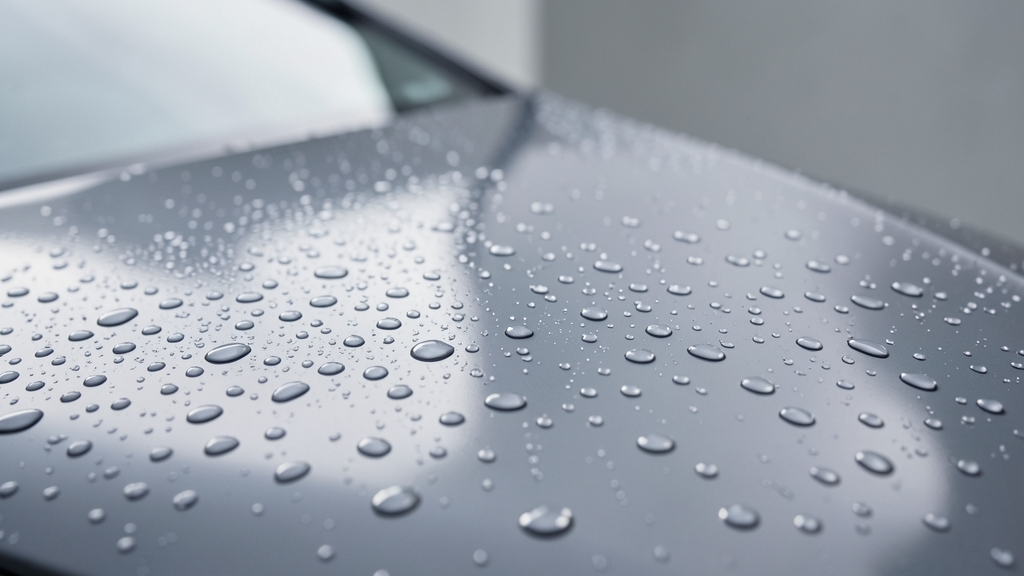
Ceramic coating isn’t a one-size-fits-all service, and neither is its price. In Richmond’s climate—where pollen, salt, and UV rays take a toll—the right coating and prep work make all the difference. We break down what actually drives the cost so you can decide with confidence.
Why Ceramic Coating Costs Vary So Much in Richmond
The biggest factor isn’t the product—it’s the prep. A full paint correction to remove swirls, oxidation, or water spots can double the labor time before a single drop of coating touches your car.
Vehicle size and complexity matter. A compact sedan requires far less material and time than a lifted truck or a luxury SUV with intricate body lines.
Richmond’s seasons also play a role. Winter salt and summer UV demand higher-grade coatings for lasting protection, which can affect the overall investment.
The 3 Core Cost Drivers: Prep, Product, and Labor
Prep work often accounts for 50-70% of the total cost. Multi-stage polishing, clay bar treatment, and paint thickness checks ensure the coating bonds properly.
Product quality ranges from consumer-grade ceramics to professional 9H-rated formulas. The latter offer 5+ years of protection but come at a premium.
Labor is where experience counts. Our team’s certification in paint correction and coating application ensures even coverage and zero waste—something DIY kits can’t match.
| Factor | Low-End Impact | High-End Impact |
|---|---|---|
| Vehicle Size | Compact car: less material, faster application | Full-size SUV/truck: more product, intricate areas |
| Paint Condition | Minor swirls: single-stage polish | Heavy oxidation: multi-stage correction + clay bar |
| Coating Grade | Consumer-grade: 1-2 years durability | Professional 9H: 5-7 years, UV/salt resistance |
| Labor Complexity | Standard application: 1-2 days | Full correction + coating: 3-5 days |
Richmond-Specific Considerations That Affect Pricing
Our humid summers and salty winters accelerate paint damage. A coating with strong hydrophobic and anti-corrosion properties is non-negotiable here.
Neighborhoods like Mechanicsville or Midlothian see heavier pollen and tree sap. These contaminants require more frequent maintenance, which high-end coatings reduce.
For drivers in Henrico or Glen Allen, daily highway exposure means more micro-scratches. A thicker ceramic layer or added PPF on high-impact areas may be recommended.
If you park under trees or near construction zones, ask about adding a ceramic top-coat to PPF. It extends the film’s life and simplifies cleaning.
Ceramic Coating vs. Wax vs. Sealant: Long-Term Value
Wax lasts 1-3 months and offers minimal UV protection. Sealants stretch to 6-12 months but still require reapplication. Ceramic coatings bond at a molecular level for years.
Unlike wax, ceramics resist chemical stains from bird droppings or road tar—common issues on Richmond’s roads. They also reduce the need for frequent washes.
The upfront cost is higher, but over 5 years, a professional ceramic coating often costs less than repeated wax/sealant applications and paint corrections.
What’s Included in a Professional Ceramic Coating Service?
A full-service coating starts with a thorough wash and decontamination. Iron particles and embedded grime must be removed to prevent bonding failures.
Paint correction follows, using compounds and polishes to restore clarity. This step is skipped in ‘light’ coating packages but risks locking in imperfections.
The coating is applied in controlled layers, often with a final top-coat for enhanced gloss. Curing times vary—some require 24-48 hours before exposure to water.
Standard Professional Ceramic Coating Process
- Exterior wash and chemical decontamination
- Clay bar treatment to remove embedded contaminants
- Paint thickness measurement to avoid over-polishing
- Multi-stage correction (if needed) for swirls/oxidation
- Alcohol wipe-down for a clean bonding surface
- Layered ceramic application with cross-link curing
- Final inspection under specialized lighting
Add-Ons That Enhance Protection (and Cost)
Paint Protection Film (PPF) on high-impact areas like the hood, bumper, and mirrors adds a self-healing layer against rock chips. It’s a popular combo in Chesterfield, where gravel roads are common.
Ceramic window tinting blocks 99% of UV rays, reducing interior fading—a must for Richmond’s sunny days. It also improves heat rejection.
Wheel and brake caliper coatings prevent brake dust from bonding, making cleanup easier. Interior ceramic protection adds stain resistance to leather, vinyl, and plastics.
Combining ceramic coating with PPF or headlight restoration often reduces the total cost versus separate services. Ask about packages.
How to Get an Accurate Quote for Your Vehicle
The only way to know the exact cost is an in-person assessment. We evaluate your paint’s condition, vehicle size, and desired level of protection.
Bring your car in for a consultation. We’ll discuss options like single-layer vs. multi-layer coatings, or hybrid PPF/ceramic solutions for maximum durability.
Avoid quotes over the phone—hidden swirls or previous poor detailing can change the prep work needed. Richmond’s varied weather means no two cars have the same needs.
How to Maintain Your Ceramic Coating in Richmond’s Climate
A ceramic coating isn’t maintenance-free, but proper care extends its life significantly.
- 1Wash Regularly (But Gently)
Use a pH-neutral car shampoo and a microfiber wash mitt. Avoid automatic car washes with harsh brushes—they can introduce swirls.
- 2Dry Thoroughly
Water spots can etch into the coating if left to bake in the sun. Use a high-quality microfiber towel or a blower to dry.
- 3Reapply a Top-Up Spray
Every 6-12 months, use a ceramic boost spray to refresh hydrophobic properties. This is especially useful after Richmond’s pollen season.
- 4Address Contaminants Quickly
Bird droppings, tree sap, and bug splatter should be removed ASAP. Use a dedicated ceramic-safe detailer spray.
- 5Avoid Harsh Chemicals
Never use wax, sealants, or cleaners with abrasives or silicones. These can degrade the coating’s bond over time.
- 6Annual Inspection
Schedule a yearly check-up. We’ll assess the coating’s integrity and recommend a maintenance plan tailored to Richmond’s conditions.
Frequently Asked Questions
How much does ceramic coating cost for a sedan in Richmond?
The cost depends on prep needs and coating grade. A sedan with minor swirls and a single-layer professional coating typically falls in the mid-range. For an exact figure, request a quote—we’ll assess your paint’s condition and discuss options like added PPF for high-impact areas.
Is ceramic coating worth it for Richmond’s winter salt?
Absolutely. Salt accelerates corrosion and paint damage. A high-quality ceramic coating creates a sacrificial barrier, making it easier to wash off salt and preventing it from bonding to your clear coat. It’s a smart investment for year-round protection.
Can I apply ceramic coating myself to save money?
DIY kits are cheaper upfront but rarely last as long. Professional application includes paint correction, controlled environments, and proper curing—critical for durability. Mistakes like improper prep or uneven layers can cause peeling.
How long does ceramic coating last in Richmond’s climate?
Professional-grade coatings last 5-7 years with proper maintenance. Richmond’s UV exposure and humidity can shorten this slightly, but regular washing and annual top-ups help maximize longevity. Lower-grade coatings may fade in 1-2 years.
Does ceramic coating prevent scratches or rock chips?
Ceramic coatings add a hard layer (9H on the pencil scale) that resists light scratches and swirls. However, they won’t stop rock chips or deep scratches. For that, combine ceramic coating with PPF on vulnerable areas like the hood and bumper.
Do you offer ceramic coating for fleets or commercial vehicles in Richmond?
Yes. Fleet and commercial vehicles—from delivery vans to service trucks—benefit from ceramic coatings to reduce downtime for cleaning and protect against harsh conditions. We tailor packages for businesses in Henrico, Chesterfield, and beyond.